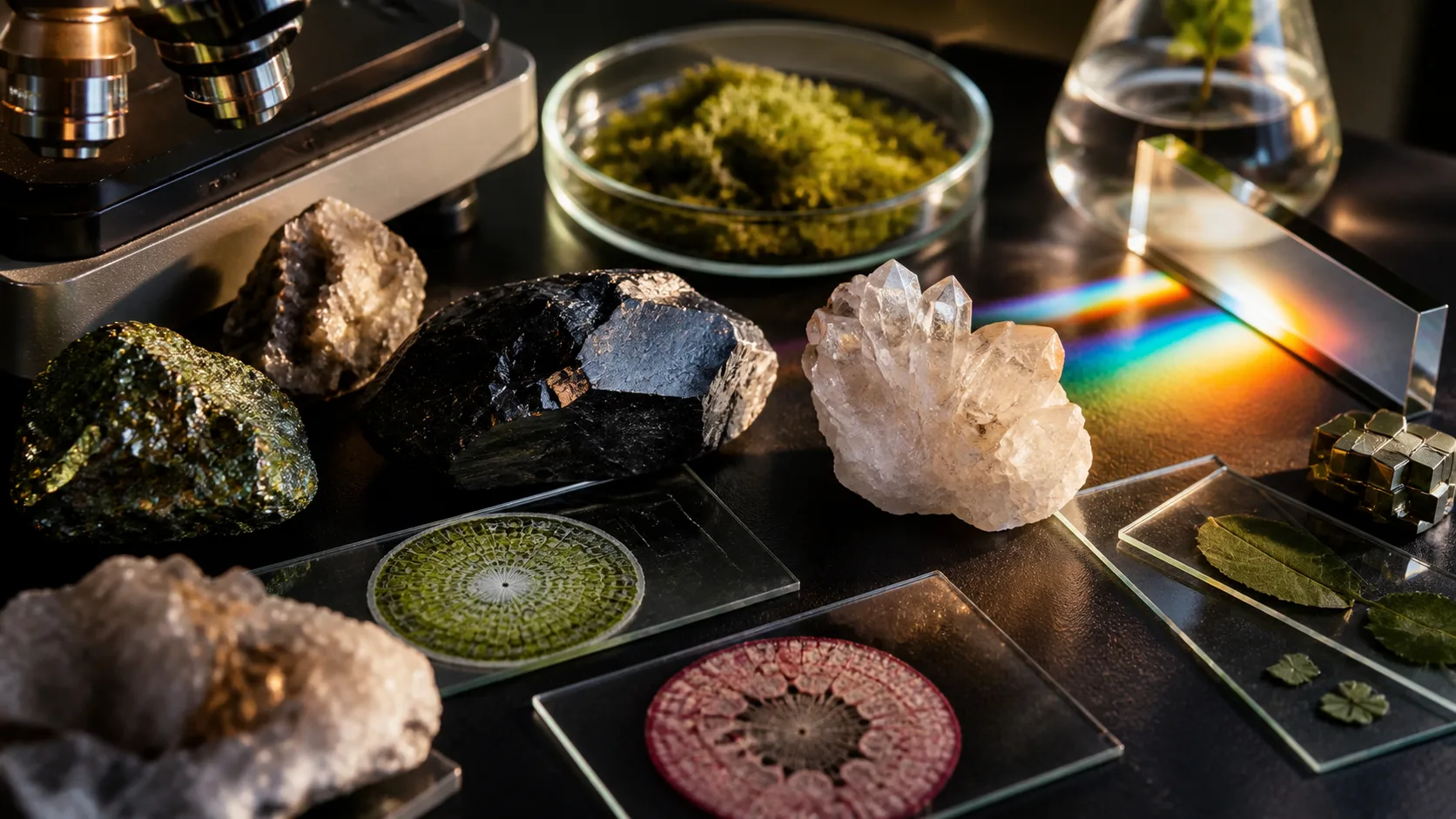
The gold and silver mineralization drawing attention in Omu, Hokkaido, is not a single “giant vein” found overnight.
Exploration has progressed in stages. Silica sinter—silica deposited by hot springs—was identified in 2016, and drilling in 2019–20 confirmed gold- and silver-bearing layers. On June 25, 2026, Irving Resources reported 47.7 metres averaging 0.98 g/t gold and 68.96 g/t silver in what may be a near-surface hydrothermal feeder zone.
Key points
There are factors favourable to development, but neither mineral resources nor reserves have been established. This is a promising exploration result, not proof that a new mine is economically viable.
The global gold market—investment and central-bank buying support prices
Gold is used not only in jewellery, but also as an investment and an industrial material. Global demand in 2025, including over-the-counter transactions, was about 5,002 tonnes: investment accounted for 2,175 t, jewellery 1,542 t, central banks and similar institutions 863 t, and technology 323 t. Gold ETFs recorded net inflows of 801 t.
In the second quarter of 2026, total demand was 1,269 t, including 289 t from central banks and 80 t from technology. The dual demand for gold as both financial asset and industrial material remains intact.
Demand and supply
2025 (t)
2026 Q2 (t)
Jewellery
1,542.3
278.2
Technology
322.8
80.4
Investment
2,175.3
262.2
Central banks, etc.
863.3
288.9
Mine production
3,671.6*
965.6
Recycling
1,404.3
326.1
* The 2025 mine-production figure was an estimate published with the annual total and may later be revised.
China and India are major consumers
In 2025, mainland China consumed 360.1 t of jewellery and 431.7 t of bars and coins. India consumed 430.5 t and 280.4 t respectively. Together they represented more than half of global bar-and-coin demand. Mine production has a different geography: USGS estimates put China at about 380 t, Russia at 310 t and Australia at 280 t.
Gold is far more expensive than twenty years ago
The World Bank’s annual average spot price rose from about US$603 per troy ounce in 2006 to about US$3,442 in 2025—roughly 5.7 times higher. Different datasets and periods are not directly comparable, but 2026 prices were higher still. That change materially improves the economic setting for exploration.
Why Japan has gold—deposits made by volcanoes and hot water
Many representative Japanese deposits are epithermal gold-silver deposits formed by relatively recent volcanic and hydrothermal activity. Hot fluids rise through faults and fractures. As pressure falls, the fluid boils, cools or mixes with other water, causing gold and silver to precipitate with quartz.
Omu resembles a typical epithermal system
A peer-reviewed 2025 paper classified the Omu deposits in northeastern Hokkaido as a Miocene low-sulfidation epithermal system. Silica sinter found along the Otoineppu River is interpreted as material once deposited by hot springs at the surface. Geophysical surveys indicate that a normal fault may have served as the path for hydrothermal fluids.
The same broad deposit type as Hishikari
In deposit type, Omu has similarities to the Hishikari mine in Kagoshima, Japan’s only large gold mine still in commercial production. Hishikari produced a cumulative 272.6 t of gold between 1985 and March 2025. Gold has not disappeared from Japan; the challenge is finding deposits of sufficient grade and size that can be mined profitably.
Why Japan’s gold mines declined—it was not simply depletion
Wartime closures created a major break
Under the 1943 reorganization of gold mining, most gold mines and cyanide plants were shut so labour and equipment could be redirected to military-priority metals such as copper and lead. Policy therefore played a major role in the decline.
After the war, economics mattered most
Deeper deposits require pumping, ventilation, tunnel maintenance and ore haulage. At Sado’s Aikawa mine, tunnels eventually totalled about 400 km and reached 530 m below sea level; operations ended in 1989. Today, metal prices, exchange rates, energy costs, capital requirements and reserves all determine whether a mine can compete.
Modern environmental and safety costs
Modern projects must treat mine water, prevent pollution, manage excavation and plan for closure. Qualified safety personnel are also essential. Regulation, environmental measures and skills are best understood as high hurdles for opening or restarting a mine today.
What was found at Omu Sinter?
Systematic exploration began in 2016
Irving Resources identified previously undocumented silica sinter in 2016, then conducted geochemical, geophysical and drilling work. By 2023 it estimated the shallow silica body at roughly 200 m wide, 400 m long and several metres to 54.5 m thick. This is not, however, a formally calculated mineral resource or mineable reserve.
A significant drilling result in June 2026
Hole 26OMS-002 returned 47.7 m averaging 0.98 g/t gold and 68.96 g/t silver, equivalent to 2.06 g/t gold. It included 7.0 m at 4.05 g/t gold and 1.05 m at 10.68 g/t gold with 187.81 g/t silver. Mineralization continued at the bottom of the hole, but the true width and extent of the interpreted feeder zone remain unknown.
High silica may also have value
Three 2025 geotechnical and groundwater holes returned 19.8–43.2 m at about 0.49–0.62 g/t gold and 95.8–97.8% silica. One concept is to use the silica-rich rock as flux in a domestic non-ferrous smelter while recovering its gold and silver. JX Advanced Metals can earn up to 75% of the Omu Sinter Pit by spending at least ¥300 million over three years and is funding current drilling.
From discovery to a development decision
Silica sinter identified
Drilling confirms gold-silver mineralization
Shallow silica body assessed
JX joins the exploration programme
Groundwater and rock studied
High-grade feeder zone intersected
More drilling, resource estimates, economic and environmental studies, permits, then a development decision
Favourable factors include shallow mineralization, possible value as smelter flux, a higher-grade feeder zone, JX funding and historically high gold prices. The unknowns include total metal content, recoverable tonnage, geometry, mining and transport costs, recoveries, groundwater effects and pollution controls. No compliant mineral-resource estimate or feasibility study has yet been published.
What it could mean for the region and Japan’s resource policy
Commercial production could create work in exploration, mining, heavy equipment, safety, surveying, haulage and accommodation. A municipality may also collect a mineral products tax, but Omu’s output and revenue are unknown, so credible job or tax estimates cannot yet be made.
Environmental effects require careful scrutiny
A shallow orebody may be easier to develop than a deep mine, yet land disturbance, dust, truck traffic and groundwater effects still matter. Shipping silica-rich ore directly to a smelter might avoid a large local cyanide plant and reduce some tailings risks, but this is a project concept—not proof of low impact. Safety, pollution prevention, permits and local consent remain essential.
Conclusion—not a “new mine,” but a promising exploration project
Omu matters because modern surveys and drilling have revealed a shallow gold- and silver-bearing silica body, possible value as smelter flux and a higher-grade zone interpreted as its feeder. Peer-reviewed research, JX’s participation and high gold prices are positive signals.
But a good 47.7-metre intercept is not a reserve. More drilling must establish the three-dimensional geometry and support a resource estimate. Mining, transport and processing costs, groundwater, environmental impacts and permits must then be assessed.
As of August 19, 2026, the most defensible description is a rare domestic gold-silver exploration project moving toward a stage where commercialization can be evaluated—not a confirmed new gold mine.
Sources and method
This article prioritizes verified drilling results, peer-reviewed research and public statistics, and treats company forecasts as projections rather than established facts. Main sources include the peer-reviewed Otoineppu Epithermal Project paper; Irving Resources and JX Advanced Metals releases; World Gold Council, World Bank and USGS statistics; Sumitomo Metal Mining, Sado City, METI and JOGMEC materials.
A mineralização de ouro e prata que chama atenção em Omu, Hokkaido, não é um único “veio gigante” descoberto de repente.
A investigação avançou por etapas: sinter de sílica foi identificado em 2016; perfurações de 2019–20 confirmaram camadas com ouro e prata; e, em 25 de junho de 2026, a Irving Resources anunciou 47,7 m com média de 0,98 g/t de ouro e 68,96 g/t de prata numa possível zona alimentadora hidrotermal próxima da superfície.
Pontos principais
Há fatores favoráveis ao desenvolvimento, mas os recursos minerais e as reservas ainda não foram definidos. Trata-se de um resultado promissor de exploração, não da confirmação de uma nova mina viável.
O mercado mundial de ouro
O ouro é joia, ativo financeiro e material industrial. A demanda mundial de 2025, incluindo operações de balcão, foi de cerca de 5.002 t: 2.175 t em investimento, 1.542 t em joalheria, 863 t por bancos centrais e instituições semelhantes e 323 t em tecnologia. Os ETFs de ouro receberam 801 t líquidas.
No segundo trimestre de 2026, a demanda total chegou a 1.269 t. China e Índia dominam a demanda física, enquanto China, Rússia e Austrália estão entre os principais produtores. O preço médio anual do Banco Mundial subiu de cerca de US$ 603 por onça troy em 2006 para US$ 3.442 em 2025, uma mudança importante para a viabilidade de novas pesquisas.
Demanda e oferta em números
Categoria
2025 (t)
2º tri. 2026 (t)
Joalheria
1.542,3
278,2
Tecnologia
322,8
80,4
Investimento
2.175,3
262,2
Bancos centrais etc.
863,3
288,9
Produção mineira
3.671,6*
965,6
Reciclagem
1.404,3
326,1
Por que há ouro no Japão
Muitos depósitos japoneses são epitermais de ouro e prata, formados por vulcanismo e fluidos quentes. Ao subir por falhas e fraturas, o fluido perde pressão, ferve, esfria ou se mistura com outras águas; ouro e prata então precipitam junto com quartzo.
Um artigo revisado por pares de 2025 classificou Omu como um sistema epitermal de baixa sulfetação do Mioceno. O sinter de sílica provavelmente se formou em antigas fontes termais. O tipo geral lembra Hishikari, em Kagoshima, a única grande mina de ouro japonesa ainda em produção comercial, com 272,6 t acumuladas entre 1985 e março de 2025.
Por que as minas japonesas declinaram
Não foi apenas esgotamento. Em 1943, a reorganização da mineração de ouro fechou a maioria das minas e usinas para deslocar pessoas e equipamentos a metais prioritários na guerra. No pós-guerra, profundidade, bombeamento, ventilação, transporte, energia, câmbio e investimento passaram a determinar a competitividade. Hoje, tratamento de água, prevenção de poluição, segurança, fechamento e profissionais qualificados também elevam o patamar exigido.
O que foi encontrado em Omu Sinter?
Em 2023, a empresa estimava um corpo raso de sílica com cerca de 200 m de largura, 400 m de comprimento e espessura de poucos metros a 54,5 m. Isso não equivale a um recurso mineral ou reserva formal.
O furo 26OMS-002 atravessou 47,7 m com 0,98 g/t de ouro e 68,96 g/t de prata, incluindo 7,0 m com 4,05 g/t de ouro e 1,05 m com 10,68 g/t de ouro e 187,81 g/t de prata. A mineralização continuava no fundo, mas a largura real e a extensão da zona ainda são desconhecidas.
Três furos de 2025 também mostraram 95,8–97,8% de sílica. A ideia é usar essa rocha como fundente numa fundição japonesa e recuperar simultaneamente ouro e prata. A JX Advanced Metals pode obter até 75% do projeto ao investir pelo menos ¥300 milhões em três anos e financia as perfurações atuais.
Da descoberta à decisão
Sinter de sílica identificado
Ouro e prata confirmados
Corpo raso de sílica avaliado
JX entra na exploração
Estudos de rocha e água subterrânea
Zona alimentadora de teor mais alto
Mais furos, recursos, estudos econômicos e ambientais, licenças e decisão
Os pontos positivos são a pouca profundidade, o possível valor da sílica, a zona de teor mais alto, o financiamento da JX e o preço do ouro. Permanecem desconhecidos o volume total, a parte recuperável, a geometria, os custos, a recuperação metalúrgica e os efeitos sobre a água. Ainda não há estimativa pública de recursos nem estudo de viabilidade.
Possíveis efeitos regionais
Uma operação comercial poderia gerar trabalho em mineração, máquinas, segurança, topografia, transporte e hospedagem, além de imposto mineral. Mas produção e receita não estão definidas; portanto, ainda não é possível estimar empregos ou arrecadação com credibilidade.
Um corpo raso pode ser mais simples de desenvolver, porém alteração do terreno, poeira, caminhões e água subterrânea exigem análise. Enviar a rocha diretamente a uma fundição talvez evite uma grande planta local de cianetação, mas isso é apenas um conceito. Segurança, controle ambiental, licenças e acordo com a comunidade continuam indispensáveis.
Conclusão: projeto promissor, não “nova mina”
Pesquisa moderna revelou um corpo raso com ouro, prata e sílica, além de uma possível zona alimentadora de teor mais alto. Pesquisa acadêmica, participação da JX e preços elevados são sinais favoráveis. Mas um bom intervalo de perfuração não é uma reserva.
Em 19 de agosto de 2026, a descrição mais defensável é a de um raro projeto japonês de exploração de ouro e prata que avança para uma avaliação concreta de comercialização—não uma nova mina confirmada.
Fontes e método
O texto prioriza perfurações verificadas, pesquisa revisada por pares e estatísticas públicas. As principais fontes incluem o estudo do Otoineppu Epithermal Project; comunicados da Irving Resources e JX; dados do World Gold Council, Banco Mundial e USGS; e materiais da Sumitomo Metal Mining, cidade de Sado, METI e JOGMEC.
Die Gold- und Silbermineralisierung in Omu auf Hokkaido ist keine einzelne „Riesenader“, die plötzlich entdeckt wurde.
Die Erkundung verlief schrittweise: 2016 wurde Siliziumsinter gefunden, Bohrungen 2019–20 bestätigten gold- und silberhaltige Schichten, und am 25. Juni 2026 meldete Irving Resources 47,7 m mit durchschnittlich 0,98 g/t Gold und 68,96 g/t Silber in einer möglichen oberflächennahen hydrothermalen Zufuhrzone.
Kernaussagen
Mehrere Faktoren sprechen für eine mögliche Erschließung, doch Ressourcen und Reserven sind noch nicht bestimmt. Es handelt sich um ein vielversprechendes Explorationsergebnis, nicht um den Nachweis einer wirtschaftlichen neuen Mine.
Der globale Goldmarkt
Gold dient als Schmuck, Geldanlage und Industriematerial. Die weltweite Nachfrage lag 2025 einschließlich außerbörslicher Geschäfte bei rund 5.002 t: 2.175 t entfielen auf Anlagen, 1.542 t auf Schmuck, 863 t auf Zentralbanken und ähnliche Institutionen und 323 t auf technische Anwendungen. Gold-ETFs verzeichneten Nettozuflüsse von 801 t.
Im zweiten Quartal 2026 betrug die Gesamtnachfrage 1.269 t. China und Indien prägen die physische Nachfrage; China, Russland und Australien gehören zu den größten Produzenten. Der Weltbank-Jahresdurchschnitt stieg von etwa 603 US-Dollar je Feinunze 2006 auf 3.442 US-Dollar 2025—ein wesentlich günstigeres Umfeld für Exploration.
Kategorie
2025 (t)
Q2 2026 (t)
Schmuck
1.542,3
278,2
Technologie
322,8
80,4
Anlagen
2.175,3
262,2
Zentralbanken usw.
863,3
288,9
Minenproduktion
3.671,6*
965,6
Recycling
1.404,3
326,1
Warum es in Japan Gold gibt
Viele japanische Vorkommen sind epithermale Gold-Silber-Lagerstätten, entstanden durch relativ jungen Vulkanismus und heiße Fluide. Steigen diese durch Störungen und Risse auf, sinkt der Druck; sie sieden, kühlen ab oder mischen sich mit anderem Wasser. Dadurch scheiden sich Gold und Silber zusammen mit Quarz ab.
Eine begutachtete Studie von 2025 ordnet Omu als miozänes, niedrig sulfidiertes Epithermalsystem ein. Der Siliziumsinter dürfte an früheren heißen Quellen entstanden sein. Der allgemeine Typ ähnelt Hishikari in Kagoshima, Japans einziger weiterhin großtechnisch produzierender Goldmine, die von 1985 bis März 2025 insgesamt 272,6 t Gold gewann.
Warum Japans Goldminen zurückgingen
Der Grund war nicht nur Erschöpfung. 1943 wurden im Rahmen der Neuordnung des Goldbergbaus die meisten Goldminen und Cyanidanlagen geschlossen, damit Personal und Technik kriegswichtigen Metallen zugeführt werden konnten. Nach dem Krieg entschieden Tiefe, Wasserhaltung, Lüftung, Transport, Energie, Wechselkurse und Kapitalbedarf über die Wirtschaftlichkeit. Heute kommen Wasserbehandlung, Umweltschutz, Sicherheit, Stilllegungsplanung und qualifiziertes Personal hinzu.
Was wurde bei Omu Sinter gefunden?
Bis 2023 schätzte das Unternehmen den flachen Siliziumkörper auf etwa 200 m Breite, 400 m Länge und wenige Meter bis 54,5 m Mächtigkeit. Das ist keine formelle Ressource oder abbaubare Reserve.
Bohrloch 26OMS-002 ergab über 47,7 m durchschnittlich 0,98 g/t Gold und 68,96 g/t Silber. Darin lagen 7,0 m mit 4,05 g/t Gold sowie 1,05 m mit 10,68 g/t Gold und 187,81 g/t Silber. Die Mineralisierung setzte sich am Bohrlochende fort, doch wahre Breite und Ausdehnung der Zufuhrzone sind unbekannt.
Drei Bohrungen von 2025 zeigten zudem 95,8–97,8 % Siliziumdioxid. Das Gestein könnte in einer japanischen Nichteisenhütte als Flussmittel dienen, während Gold und Silber gewonnen werden. JX Advanced Metals kann durch Ausgaben von mindestens 300 Mio. Yen binnen drei Jahren bis zu 75 % erwerben und finanziert die aktuellen Bohrungen.
Von der Entdeckung zur Entscheidung
Siliziumsinter entdeckt
Gold und Silber erbohrt
Flacher Siliziumkörper bewertet
JX beteiligt sich
Gestein und Grundwasser untersucht
Höhergradige Zufuhrzone getroffen
Weitere Bohrungen, Ressource, Wirtschaft und Umwelt, Genehmigungen, Entscheidung
Positiv sind die geringe Tiefe, ein möglicher Wert als Flussmittel, die höhergradige Zone, JX-Finanzierung und hohe Goldpreise. Offen sind Gesamtmenge, gewinnbarer Anteil, Geometrie, Kosten, Ausbringung und Grundwassereffekte. Eine öffentliche Ressourcenschätzung oder Machbarkeitsstudie liegt noch nicht vor.
Mögliche regionale Auswirkungen
Eine kommerzielle Mine könnte Arbeit in Exploration, Abbau, Maschinenbetrieb, Sicherheit, Vermessung, Transport und Beherbergung schaffen. Auch eine Förderabgabe wäre möglich. Da Produktion und Umsatz unbekannt sind, lassen sich Beschäftigung und Steuern derzeit nicht seriös beziffern.
Ein flacher Erzkörper kann leichter erschließbar sein, doch Eingriffe in die Oberfläche, Staub, Lkw-Verkehr und Grundwasser müssen geprüft werden. Direkter Versand zur Hütte könnte eine große lokale Cyanidanlage vermeiden, ist aber bislang nur ein Konzept. Sicherheit, Umweltschutz, Genehmigungen und Zustimmung vor Ort bleiben notwendig.
Fazit: vielversprechendes Projekt, keine bestätigte „neue Mine“
Moderne Exploration zeigt einen flachen gold-, silber- und siliziumreichen Körper sowie eine möglicherweise höhergradige Zufuhrzone. Forschung, JX-Beteiligung und hohe Preise sind günstige Signale. Ein guter Bohrabschnitt ist jedoch keine Reserve.
Zum 19. August 2026 ist Omu am treffendsten als seltenes japanisches Gold-Silber-Explorationsprojekt zu bezeichnen, das sich einer konkreten Prüfung der Kommerzialisierung nähert—nicht als bestätigte neue Goldmine.
Quellen und Methode
Der Artikel priorisiert bestätigte Bohrergebnisse, begutachtete Forschung und öffentliche Statistik. Zentrale Quellen sind die Studie zum Otoineppu Epithermal Project, Mitteilungen von Irving Resources und JX, Daten von World Gold Council, Weltbank und USGS sowie Material von Sumitomo Metal Mining, Sado, METI und JOGMEC.
إن تمعدن الذهب والفضة الذي يلفت الانتباه في بلدة أومو بهوكايدو ليس «عرقًا ذهبيًا عملاقًا» اكتُشف فجأة.
تقدمت أعمال الاستكشاف على مراحل: عُثر على ترسبات السيليكا الحرارية عام 2016، وأكد الحفر في 2019–2020 وجود طبقات تحمل الذهب والفضة. وفي 25 يونيو 2026 أعلنت Irving Resources عن مقطع بطول 47.7 متر بمتوسط 0.98 غرام ذهب و68.96 غرام فضة للطن، ضمن ما قد يكون قناة صعود لسائل حرمائي قريبة من السطح.
النقاط الأساسية
توجد عوامل مشجعة للتطوير، لكن الموارد المعدنية والاحتياطيات لم تُحدّد بعد. النتيجة الحالية هي اكتشاف استكشافي واعد، وليست إثباتًا لجدوى منجم جديد.
سوق الذهب العالمي
يُستخدم الذهب في المجوهرات والاستثمار والصناعة. بلغ الطلب العالمي في 2025، مع المعاملات خارج البورصة، نحو 5,002 طن: 2,175 طنًا للاستثمار، و1,542 طنًا للمجوهرات، و863 طنًا للبنوك المركزية ومؤسسات مشابهة، و323 طنًا للتقنية. وسجلت صناديق الذهب المتداولة تدفقات صافية قدرها 801 طن.
بلغ الطلب في الربع الثاني من 2026 نحو 1,269 طنًا. تتصدر الصين والهند الطلب المادي، بينما تُعد الصين وروسيا وأستراليا من كبار المنتجين. وارتفع متوسط السعر السنوي لدى البنك الدولي من نحو 603 دولارات للأونصة عام 2006 إلى 3,442 دولارًا عام 2025، ما يجعل بيئة الاستكشاف أفضل بكثير من قبل عشرين عامًا.
الفئة
2025 (طن)
الربع 2 من 2026
المجوهرات
1,542.3
278.2
التقنية
322.8
80.4
الاستثمار
2,175.3
262.2
البنوك المركزية وغيرها
863.3
288.9
إنتاج المناجم
3,671.6*
965.6
إعادة التدوير
1,404.3
326.1
لماذا يوجد الذهب في اليابان؟
العديد من الرواسب اليابانية هي رواسب ذهب وفضة حرمائية ضحلة تشكلت بفعل نشاط بركاني ومياه ساخنة حديثة نسبيًا. تصعد السوائل عبر الصدوع والشقوق، ثم تغلي أو تبرد أو تختلط بمياه أخرى مع انخفاض الضغط، فيترسب الذهب والفضة مع الكوارتز.
صنفت دراسة محكّمة عام 2025 مجموعة أومو على أنها نظام حرمائي منخفض الكبريت من عصر الميوسين. ويُعتقد أن السيليكا على نهر أوتوينِبّو ترسبت من ينابيع ساخنة قديمة. ويشبه النوع العام منجم هيشيكاري في كاغوشيما، وهو المنجم الياباني الكبير الوحيد الذي لا يزال ينتج تجاريًا، وقد بلغ إنتاجه التراكمي 272.6 طنًا بين 1985 ومارس 2025.
لماذا تراجعت مناجم الذهب اليابانية؟
لم يكن نفاد الخام السبب الوحيد. ففي إعادة تنظيم تعدين الذهب عام 1943 أُغلقت معظم المناجم ومنشآت السيانيد لتحويل العمال والمعدات إلى معادن ذات أولوية حربية. وبعد الحرب صارت الأعماق وضخ المياه والتهوية والنقل والطاقة وسعر الصرف والاستثمار عوامل حاسمة. واليوم تضاف معالجة المياه ومنع التلوث والسلامة وخطط الإغلاق والحاجة إلى مختصين مؤهلين.
ما الذي اكتُشف في Omu Sinter؟
بحلول 2023 قدّرت الشركة جسم السيليكا الضحل بنحو 200 متر عرضًا و400 متر طولًا وبسماكة من بضعة أمتار إلى 54.5 متر. لكن ذلك ليس تقديرًا رسميًا للموارد ولا احتياطيًا قابلًا للتعدين.
أعطى الثقب 26OMS-002 متوسط 0.98 غرام ذهب و68.96 غرام فضة للطن عبر 47.7 متر، وتضمن 7 أمتار بتركيز 4.05 غرام ذهب للطن، و1.05 متر بتركيز 10.68 غرام ذهب و187.81 غرام فضة للطن. استمر التمعدن عند قاع الثقب، لكن العرض الحقيقي والامتداد ما زالا مجهولين.
أظهرت ثلاثة ثقوب أخرى في 2025 محتوى سيليكا بين 95.8 و97.8%. وتقضي الفكرة باستخدام الصخر الغني بالسيليكا كمادة صهارة في مصهر ياباني مع استرداد الذهب والفضة. ويمكن لـJX Advanced Metals كسب حصة تصل إلى 75% بإنفاق 300 مليون ين على الأقل خلال ثلاث سنوات، وهي تمول الحفر الحالي.
من الاكتشاف إلى القرار
اكتشاف ترسبات السيليكا
تأكيد الذهب والفضة بالحفر
تقييم جسم السيليكا الضحل
انضمام JX إلى الاستكشاف
دراسة الصخور والمياه الجوفية
تقاطع منطقة تغذية أعلى عيارًا
حفر إضافي، تقدير الموارد، دراسة الاقتصاد والبيئة، التراخيص ثم القرار
تشمل العوامل الإيجابية قرب الجسم من السطح، وقيمة السيليكا المحتملة، والمنطقة الأعلى عيارًا، وتمويل JX، وارتفاع سعر الذهب. أما المجهول فيشمل إجمالي المعدن، والكمية القابلة للاستخراج، والشكل، والتكاليف، ونسب الاسترداد، وتأثير المياه الجوفية. لم يُنشر بعد تقدير موارد معياري أو دراسة جدوى.
الأثر المحتمل في المنطقة
قد يخلق الإنتاج التجاري وظائف في الاستكشاف والتعدين والآليات والسلامة والمساحة والنقل والإقامة، وقد يحقق ضريبة على المنتجات المعدنية. لكن الإنتاج والإيرادات غير معروفين، لذلك لا يمكن تقدير الوظائف أو الضرائب بصورة موثوقة الآن.
قد يكون الجسم الضحل أسهل تطويرًا، إلا أن تغيير سطح الأرض والغبار وحركة الشاحنات والمياه الجوفية تحتاج إلى فحص. وقد يؤدي شحن الخام مباشرة إلى مصهر إلى تجنب منشأة سيانيد كبيرة محليًا، لكنه مجرد تصور لم يُثبت أثرًا بيئيًا منخفضًا. تبقى السلامة ومنع التلوث والتراخيص وموافقة المجتمع ضرورية.
الخلاصة: مشروع واعد، لا «منجم جديد» مؤكد
كشفت التقنيات الحديثة جسمًا ضحلًا يحوي الذهب والفضة والسيليكا، ومنطقة أعلى عيارًا قد تكون مصدر السوائل. البحث العلمي ومشاركة JX والأسعار المرتفعة إشارات إيجابية، لكن مقطع حفر جيد لا يساوي احتياطيًا.
حتى 19 أغسطس 2026، الوصف الأدق هو مشروع استكشاف ياباني نادر للذهب والفضة يتقدم نحو مرحلة يمكن فيها تقييم الجدوى التجارية بجدية، وليس منجم ذهب جديدًا مؤكدًا.
المصادر والمنهج
يعطي المقال الأولوية لنتائج الحفر المؤكدة والبحث المحكّم والإحصاءات العامة، ويتعامل مع توقعات الشركات كتقديرات لا كحقائق. تشمل المصادر الرئيسية دراسة Otoineppu Epithermal Project وبيانات Irving Resources وJX وإحصاءات مجلس الذهب العالمي والبنك الدولي وUSGS ومواد Sumitomo Metal Mining ومدينة سادو وMETI وJOGMEC.